
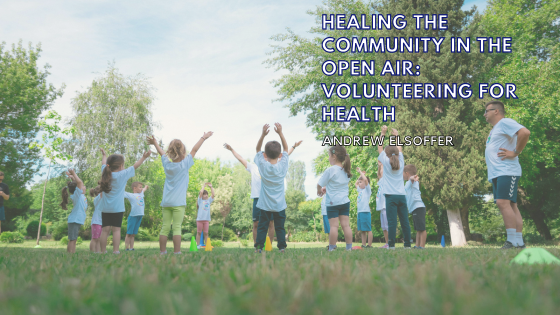
When we think about health, we often picture hospitals, clinics, and medications. But some of the most powerful healing happens far beyond four walls—out in the open air, where people come together to move, connect, and support one another. Outdoor, community-based volunteering is becoming a meaningful way to improve both individual and collective health. It blends physical activity, social connection, and purpose into one powerful experience.
Here’s how volunteering for health in open spaces is helping heal communities.
1. Health Starts With Human Connection
Loneliness and isolation are growing public health challenges. Outdoor volunteering—whether in community gardens, park cleanups, walking groups, or wellness events—creates space for people to meet, talk, and build trust.
These connections:
• Reduce stress and anxiety
• Improve emotional well-being
• Create a sense of belonging
Community healing begins when people feel seen and supported.
2. Movement as Medicine
Many outdoor volunteer efforts involve light to moderate physical activity—planting, walking, organizing, or setting up events. This kind of movement improves cardiovascular health, strength, and energy levels without the pressure of a gym.
Volunteers often experience:
• Better physical fitness
• Improved mobility
• Increased motivation to stay active
Helping others helps your body too.
3. Fresh Air and Mental Clarity
Being outside lowers cortisol levels and improves mood. When volunteering happens in parks, trails, beaches, or gardens, participants benefit from nature’s calming effect.
Nature supports:
• Clearer thinking
• Reduced depression symptoms
• Emotional balance
Open-air environments make service feel restorative, not draining.
4. Health Education in Real-Life Settings
Many community health initiatives now take place outdoors—free screenings, fitness classes, nutrition workshops, and wellness fairs. Volunteers help organize, guide, and educate neighbors in approachable, welcoming spaces.
This improves:
• Health literacy
• Preventive care awareness
• Early intervention
Knowledge shared outdoors becomes easier to receive and trust.
5. Empowering People to Take Control of Their Health
Outdoor volunteering gives people an active role in health—not just as patients, but as contributors. When individuals participate in creating healthy environments, they become more invested in their own well-being.
This leads to:
• Stronger self-efficacy
• Healthier lifestyle choices
• Community accountability
People protect what they help build.
6. Bridging Gaps in Access
Not everyone feels comfortable or able to enter traditional healthcare spaces. Outdoor programs reduce barriers by meeting people where they are—physically and emotionally.
They provide:
• Free or low-cost health services
• Non-intimidating environments
• Inclusive access to support
This helps close health equity gaps.
7. Creating a Culture of Care
When health becomes visible in parks, streets, and shared spaces, it becomes part of everyday life. Children see adults caring for each other. Neighbors watch wellness in action.
This builds:
• Social responsibility
• Long-term community trust
• A shared vision of well-being
Conclusion
Healing doesn’t always require walls or waiting rooms. Sometimes it starts with open air, open hearts, and people willing to show up for one another.
Volunteering for health in community spaces strengthens bodies, minds, and neighborhoods. When we heal together—outside—we create communities that are not just healthier, but more connected and resilient.