
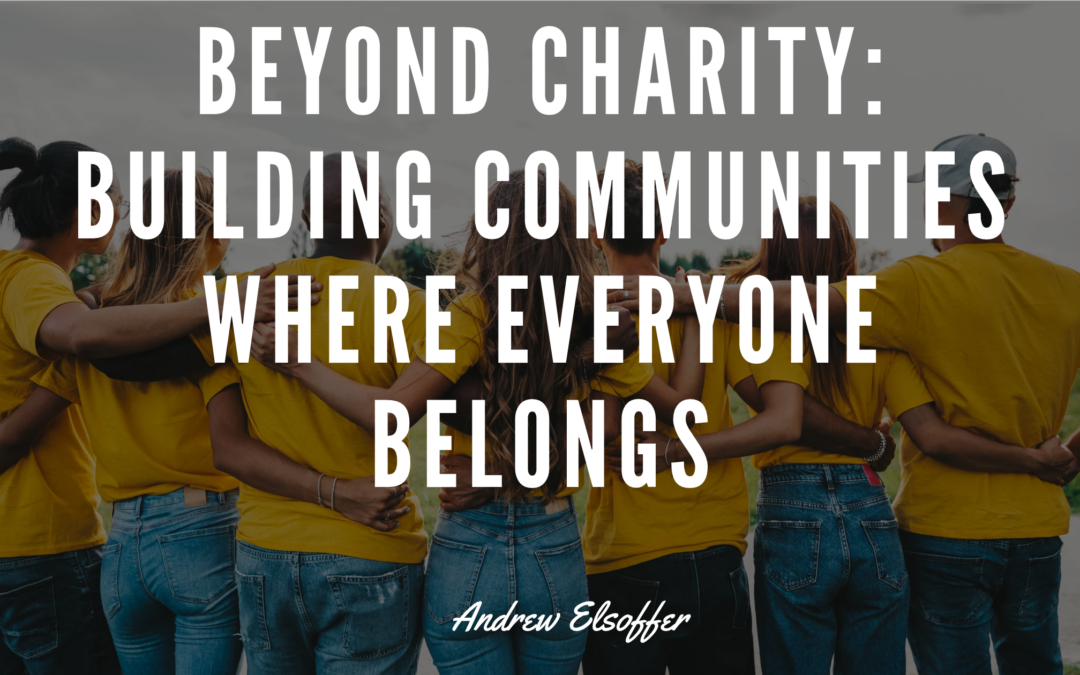
Charity has long been an important way to support people facing difficult circumstances. Donating food, providing financial assistance, and distributing essential supplies can make an immediate difference in someone’s life. However, creating a truly caring society requires more than giving to those in need. It requires building communities where everyone feels respected, included, valued, and empowered to participate.
Moving beyond charity means shifting our attention from temporary assistance to lasting connections, equal opportunities, and shared responsibility. It is about creating a world where helping others is not an occasional act of kindness but a natural part of everyday life.
Understanding the Difference Between Charity and Community
Charity often focuses on meeting immediate needs, such as providing meals to hungry families or helping individuals access clothing and shelter. These efforts are valuable, especially during emergencies. However, communities also need long-term solutions that address the challenges people face every day.
For example, distributing school supplies can help children attend classes, but supporting accessible education, mentoring programs, and learning opportunities can create benefits that last for years.
A strong community does not simply ask, “How can we help these people?” It also asks, “How can we work together to create opportunities for everyone?”
This change in perspective encourages cooperation rather than dependence and helps people become active participants in shaping their own futures.
Creating a Culture of Inclusion
A community becomes stronger when people from different backgrounds feel that they belong. Age, income, disability, language, or personal circumstances should not prevent anyone from participating in community life.
Inclusion begins with simple actions. Neighborhood groups can organize events that welcome people of different ages. Schools can encourage students to respect different perspectives. Local organizations can make activities accessible to people with disabilities and provide information in languages that community members understand.
Listening is equally important. Instead of assuming what people need, organizations should invite them to share their experiences, ideas, and concerns.
When individuals feel heard and respected, they are more likely to contribute their skills, build relationships, and help create positive change.
The Power of Everyday Participation
Building a welcoming community does not always require large donations or professional organizations. Small, consistent actions can have a meaningful impact.
Helping an elderly neighbor with groceries, tutoring a student, supporting a local community garden, or organizing a neighborhood clean-up can bring people together around a shared purpose.
Volunteering also creates opportunities for people to connect beyond their usual social circles. A person who volunteers at a community center may develop friendships with people whose experiences and perspectives differ from their own.
These connections can reduce isolation, encourage understanding, and strengthen the relationships that make neighborhoods more supportive.
The goal is not simply to complete a helpful task. It is to create an environment where people recognize one another as partners, neighbors, and fellow members of the community.
Empowering People to Create Change
One of the most important steps beyond charity is giving people opportunities to lead. Communities become more sustainable when those experiencing challenges can help design the solutions.
For example, a youth development program can invite young people to plan workshops instead of deciding everything on their behalf. A neighborhood initiative can involve residents in choosing local improvement projects. Community organizations can provide training that helps volunteers develop leadership and practical skills.
This approach recognizes that people are not defined by their difficulties. Everyone has knowledge, abilities, and experiences that can benefit others.
When people are trusted to participate in decision-making, they gain confidence and a stronger sense of ownership. Their contributions can also help create solutions that better reflect the community’s real needs.
Building Lasting Change Together
Creating inclusive communities requires patience, cooperation, and continued effort. Individuals, schools, businesses, nonprofit organizations, and local authorities all have a role to play.
Progress can begin with regular community meetings, accessible public spaces, mentorship opportunities, and partnerships that connect people with useful resources. Measuring success should involve more than counting donations or volunteers. It should also consider whether people feel safer, more connected, more respected, and better able to participate.
Most importantly, building belonging is an ongoing process. Communities must remain open to feedback and willing to change when certain people are being overlooked.
Conclusion
Charity can provide essential support, but belonging creates something deeper: the feeling that everyone has a place and a purpose within the community.
By encouraging inclusion, listening to people’s needs, supporting everyday participation, and empowering individuals to lead, we can move beyond temporary acts of generosity toward lasting social change.
A better community is not one where a few people continually help others. It is one where everyone has the opportunity to contribute, receive support when needed, and grow alongside their neighbors.
Real change begins when helping people becomes more than an act of kindness and becomes a shared commitment to ensuring that nobody is left out.