
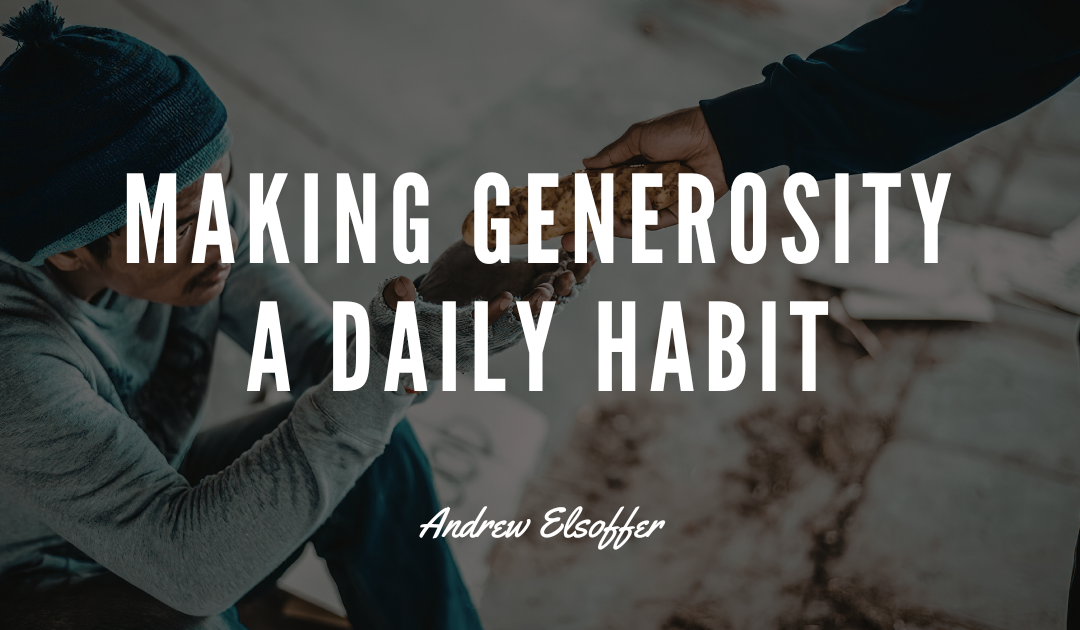
Generosity is often associated with large charitable donations or grand acts of kindness, but true generosity is built through small, consistent actions. It is a mindset that encourages us to give our time, skills, compassion, and support to others whenever we can. By making generosity a daily habit, we not only improve the lives of those around us but also experience greater happiness, stronger relationships, and a deeper sense of purpose.
One of the easiest ways to practice generosity is by offering your time. In today’s busy world, giving someone your full attention can be one of the greatest gifts. Listening to a friend who needs support, helping a neighbor with a task, or volunteering at a local community organization are meaningful ways to make a positive difference. These acts may seem small, but they often have a lasting impact on the people who receive them.
Kindness is another important form of generosity. A genuine smile, a thoughtful compliment, or a simple “thank you” can brighten someone’s day more than we realize. Small gestures of appreciation create a ripple effect, inspiring others to spread kindness in their own communities. When generosity becomes part of our daily routine, it encourages a culture of compassion and respect.
Sharing your knowledge and skills is another valuable way to give back. Whether you’re mentoring a student, teaching a coworker a new skill, or helping someone solve a problem, your experience can empower others to succeed. Generosity isn’t always about financial resources—it is also about using your talents to support those around you.
Financial giving remains an important aspect of generosity, but it doesn’t have to involve large amounts of money. Even small donations to local charities, food banks, or community projects can make a meaningful contribution when combined with the efforts of others. Supporting local businesses, participating in fundraising events, or donating gently used clothing and household items are additional ways to help those in need.
Practicing gratitude can also strengthen the habit of generosity. When we recognize the blessings in our own lives, we become more willing to share with others. Gratitude shifts our focus from what we lack to what we have, making it easier to give without expecting anything in return. This mindset fosters both personal fulfillment and stronger community connections.
Generosity also benefits the giver. Studies have shown that helping others can reduce stress, improve emotional well-being, and increase feelings of happiness and satisfaction. Acts of giving strengthen relationships, build trust, and create a sense of belonging. By contributing to the well-being of others, we often discover greater meaning in our own lives.
Building generosity into your daily routine doesn’t require major changes. Start by setting small, achievable goals, such as performing one act of kindness each day, volunteering once a month, or checking in regularly with friends and family. Over time, these simple actions become habits that shape your character and influence those around you.
Conclusion
Making generosity a daily habit is about choosing compassion in everyday moments. Whether you give your time, share your talents, offer encouragement, or support a worthy cause, every act of generosity has the power to create positive change. By embracing generosity as part of your lifestyle, you contribute to stronger communities, inspire others through your actions, and experience the lasting rewards of living with kindness and purpose.