
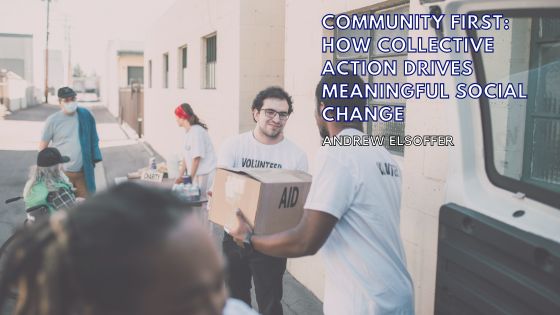
Meaningful social change rarely happens in isolation. While individual effort matters, real transformation is most powerful when people come together with a shared purpose. Collective action amplifies impact, strengthens communities, and creates solutions that are more sustainable than any single effort could achieve alone. When communities put “community first,” they unlock a force that can reshape neighborhoods, systems, and lives.
The Power of Shared Purpose
At the heart of collective action is a shared sense of purpose. Whether addressing food insecurity, improving education, or supporting local health initiatives, communities that align around a common goal can move faster and farther than individuals working separately. Shared purpose creates clarity. It helps people understand not just what needs to be done, but why it matters.
This sense of unity also builds motivation. People are more likely to stay engaged when they feel part of something larger than themselves. Instead of isolated acts of giving, efforts become coordinated movements that build momentum over time.
Small Actions, Big Outcomes
One of the most powerful aspects of collective action is how small contributions add up. A single volunteer shift, a donated meal, or a few hours of mentorship might seem minor on its own. But when multiplied across dozens, hundreds, or even thousands of people, these efforts create measurable change.
Communities thrive when participation is accessible. Not everyone has the same time, resources, or skills, but everyone can contribute in some way. Collective action recognizes that impact is not about scale at the individual level, but about consistency and collaboration across many individuals.
Building Stronger Social Connections
Working together toward a shared goal naturally strengthens relationships. Collective action brings people into contact who might not otherwise interact, helping to build trust and understanding across different backgrounds. These connections form the foundation of resilient communities.
As relationships deepen, so does accountability. People become more invested in outcomes when they know and trust the people they are working alongside. This creates a positive cycle where stronger relationships lead to greater participation, which in turn leads to greater impact.
Local Action, Lasting Change
Many of the most effective social changes begin at the local level. Neighborhood initiatives, community cleanups, local food drives, and youth mentorship programs often serve as the building blocks for broader change. Local action is powerful because it is immediate and visible. People can see the results of their efforts in real time, which reinforces engagement.
Over time, successful local efforts can scale into larger movements. What begins as a small group of committed individuals can grow into a network of organizations, volunteers, and supporters working toward systemic change.
The Role of Leadership in Collective Efforts
While collective action is community-driven, leadership still plays an important role. Effective leaders in these settings do not control the effort, but rather facilitate it. They create structure, ensure communication flows smoothly, and help align efforts without overshadowing the community’s voice.
The best leaders in collective action understand that their role is to empower others. They remove barriers, encourage participation, and keep the shared mission at the center of all activities.
Putting Community First
When communities prioritize collective action, they shift from isolated effort to shared responsibility. This mindset change is what turns good intentions into lasting impact. It reinforces the idea that everyone has a role to play and that meaningful change is built together, not alone.
Putting community first is not just a strategy for social change. It is a way of building stronger, more connected, and more resilient societies.